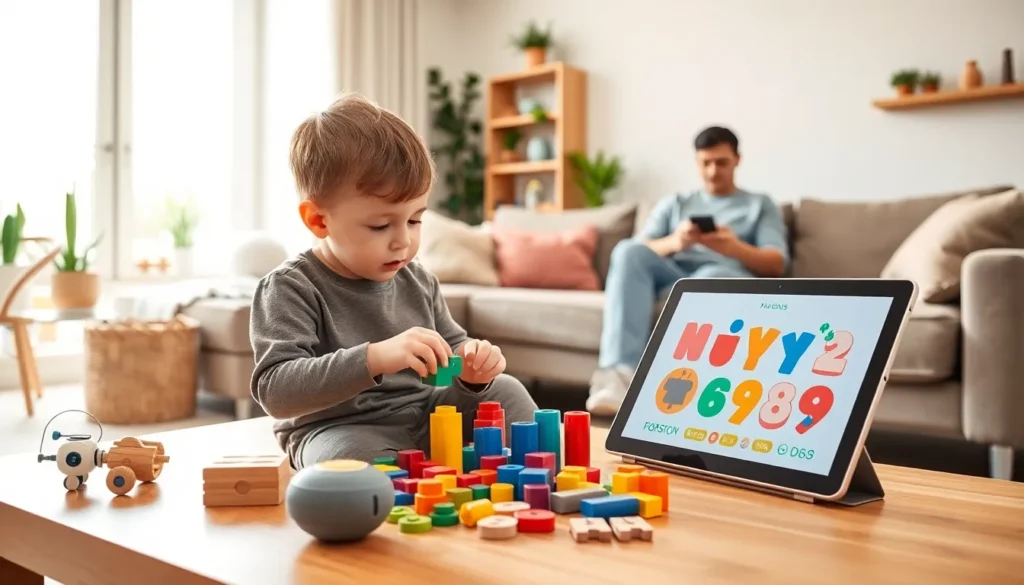
Finding the right educational apps and toys ideas can feel overwhelming. Parents and caregivers face hundreds of options, each promising to boost learning and development. The good news? Choosing smart play tools doesn’t have to be complicated.
Children learn best through play. Research from the American Academy of Pediatrics confirms this. The right apps and toys support cognitive growth, creativity, and problem-solving skills. They also keep kids engaged without relying on passive screen time.
This guide covers educational apps and toys ideas for every age group. From toddlers stacking blocks to school-age kids building robots, there’s something here for every learner. Parents will find practical recommendations and tips for making informed choices.
Table of Contents
ToggleKey Takeaways
- Educational apps and toys ideas should match your child’s developmental stage—too easy causes boredom, while too hard leads to frustration.
- Free apps like Khan Academy Kids and Duolingo ABC deliver high-quality learning without subscriptions or ads.
- Physical toys like blocks, puzzles, and sensory materials remain essential for developing motor skills and hands-on problem-solving.
- STEM toys such as Sphero Mini and Snap Circuits introduce coding and electronics through engaging, age-appropriate play.
- Prioritize open-ended educational apps and toys ideas that allow multiple uses and grow with your child over time.
- Balance screen time with physical play—the American Academy of Pediatrics recommends no more than one hour daily for children ages 2-5.
Best Educational Apps for Children
Educational apps offer interactive learning experiences that traditional toys can’t match. They provide instant feedback, adaptive difficulty levels, and engaging visuals. Here are some standout educational apps and toys ideas in the digital space.
Khan Academy Kids stands out for ages 2-8. It covers reading, math, and social-emotional development through games and stories. The app is free with no ads or subscriptions.
Duolingo ABC teaches reading skills to children ages 3-8. It uses short lessons with phonics, sight words, and letter tracing. Kids earn rewards as they progress, which keeps motivation high.
Endless Alphabet makes vocabulary fun for preschoolers. Animated monsters teach word meanings through interactive puzzles. Children drag letters into place while hearing each sound.
Scratch Jr introduces coding basics to kids ages 5-7. Children snap together programming blocks to make characters move, jump, and dance. It builds logical thinking without requiring reading skills.
DragonBox Numbers teaches math concepts to young learners. Kids collect and combine “Nooms” (number characters) through play. The app covers counting, addition, and subtraction fundamentals.
Screen time limits matter. The American Academy of Pediatrics recommends no more than one hour daily for children ages 2-5. Quality matters more than quantity. Parents should look for apps that require active participation rather than passive watching.
Top Learning Toys for Toddlers and Preschoolers
Young children learn through touch, movement, and exploration. Physical toys remain essential for early development. These educational apps and toys ideas focus on hands-on learning.
Building and Stacking Toys
Wooden blocks teach spatial awareness, balance, and cause-and-effect relationships. Mega Bloks work well for toddlers who aren’t ready for smaller pieces. Magnetic tiles like Magna-Tiles let preschoolers create 3D structures with satisfying clicks.
Pretend Play Sets
Play kitchens, doctor kits, and tool benches develop imagination and social skills. Children practice real-world scenarios through role-play. These toys also build vocabulary as kids name objects and describe actions.
Puzzles and Shape Sorters
Simple puzzles with knobs help toddlers develop fine motor skills. Shape sorters teach problem-solving and shape recognition. Melissa & Doug offers durable wooden options that withstand rough handling.
Musical Instruments
Xylophones, drums, and shakers introduce rhythm and sound exploration. Music toys support language development and auditory processing. They also provide sensory input that many young children crave.
Sensory Play Materials
Kinetic sand, water tables, and playdough engage multiple senses. These materials build hand strength needed for writing later. They also offer calming, open-ended play opportunities.
Toddlers and preschoolers need variety. Rotating toys every few weeks keeps interest high. Store some toys out of sight and reintroduce them later as “new” discoveries.
STEM Toys and Apps for School-Age Kids
School-age children benefit from educational apps and toys ideas that challenge their growing minds. STEM (Science, Technology, Engineering, and Math) toys encourage critical thinking and real-world problem solving.
Coding Toys and Robots
LEGO Mindstorms lets kids build and program their own robots. Children learn coding concepts while creating machines that move and respond. The accompanying app provides step-by-step guidance.
Sphero Mini is a programmable ball that kids control through coding apps. It introduces JavaScript and Scratch-based programming. The small size and affordable price make it accessible for beginners.
Osmo Coding combines physical blocks with screen-based adventures. Kids arrange coding blocks to guide characters through challenges. It bridges tactile play with digital learning.
Science Kits
Chemistry sets, crystal-growing kits, and electronics projects bring science concepts to life. National Geographic and Thames & Kosmos offer age-appropriate options. These kits include real experiments with clear instructions.
Snap Circuits teaches electronics through building projects. Kids create working circuits for lights, sounds, and motors. No soldering required, components snap together safely.
Engineering Challenges
K’NEX and Erector Sets develop engineering thinking through construction. Children follow plans or create original designs. These toys build patience and spatial reasoning.
Gravitrax combines marble runs with physics concepts. Kids design tracks using gravity, magnetism, and kinetics. The modular system allows endless expansion and experimentation.
Math and Logic Games
Prodigy Math gamifies math practice for grades 1-8. Children answer questions to battle monsters and explore worlds. Teachers can assign specific topics for targeted practice.
Board games like Robot Turtles and Code Master teach programming logic without screens. These games work well for family game nights while building computational thinking.
How to Choose the Right Educational Tools
Selecting educational apps and toys ideas requires some thought. Not every product labeled “educational” delivers real learning value. These guidelines help parents make smart choices.
Match the Child’s Development Stage
Toys should present achievable challenges. Too easy leads to boredom. Too hard causes frustration. Look for products with age recommendations, but consider individual abilities too. A 4-year-old who loves puzzles might enjoy ones marked for ages 5-6.
Prioritize Open-Ended Play
The best toys allow multiple uses. Blocks can become towers, roads, or pretend food. Open-ended toys grow with children and encourage creativity. Single-purpose toys often lose appeal quickly.
Check for Quality and Safety
Durable toys withstand daily use and can be passed to siblings. Look for non-toxic materials and safe construction. For apps, check privacy policies and avoid those collecting unnecessary data from children.
Read Reviews from Parents and Educators
Other families share honest feedback about engagement and durability. Teacher recommendations carry weight since educators see what works across many children. Common Sense Media reviews apps for content and learning value.
Consider Your Child’s Interests
Educational apps and toys ideas work best when they connect to existing passions. A dinosaur-loving child might engage more with a fossil dig kit than a general science set. Interest drives motivation.
Balance Screen and Physical Play
Both have value. Apps offer adaptive learning and immediate feedback. Physical toys develop motor skills and sensory awareness. A healthy mix supports whole-child development.
Set a Budget
Expensive doesn’t always mean better. Many free apps provide excellent educational content. Simple toys like cardboard boxes and art supplies spark creativity without high costs. Libraries often lend toys and offer app recommendations.