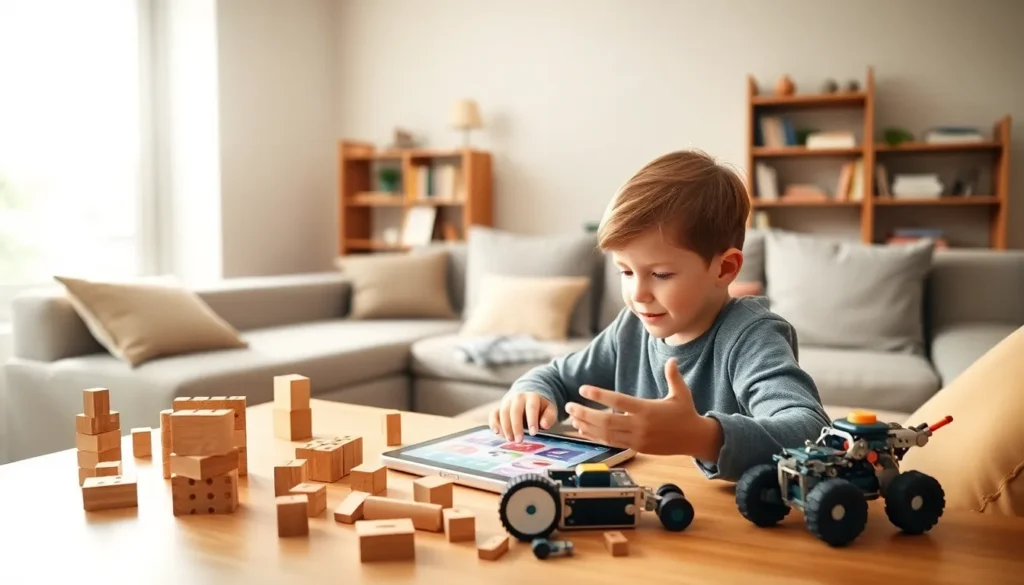
Educational apps and toys tools have changed how children learn at home and in classrooms. Parents and educators now have access to thousands of digital and physical resources designed to build critical skills. But with so many options available, choosing the right tools can feel overwhelming.
This guide breaks down the best educational apps and toys tools by category, age group, and learning style. It covers why these tools matter, what to look for, and how to balance screen time with hands-on play. Whether someone is shopping for a toddler or a middle schooler, this article provides practical advice to make informed decisions.
Table of Contents
ToggleKey Takeaways
- Educational apps and toys tools support cognitive, social, and motor skill development during critical growth stages in children.
- Choose age-appropriate tools that match a child’s interests to maximize engagement and learning outcomes.
- Combine digital apps with physical toys to create a balanced learning experience that blends screen time with hands-on play.
- Look for quality content backed by research or child development experts, and always check reviews and privacy policies before downloading apps.
- Open-ended toys like building blocks and art supplies offer lasting value because children use them in new ways as they grow.
- Set clear screen time boundaries and co-play with children to reinforce learning and encourage healthy digital habits.
Why Educational Apps and Toys Matter for Child Development
Educational apps and toys tools do more than keep kids entertained. They actively shape cognitive, social, and motor skills during critical developmental windows.
Research from the American Academy of Pediatrics shows that interactive educational media can improve vocabulary and problem-solving abilities in children ages 2 and older. Physical toys like building blocks and puzzles strengthen fine motor skills and spatial reasoning. Together, these tools create a foundation for academic success.
Here’s what quality educational apps and toys tools can support:
- Language development: Phonics apps and alphabet toys teach letter recognition and early reading skills.
- Math skills: Counting games and number puzzles introduce basic arithmetic concepts.
- Critical thinking: Strategy games and coding toys encourage logical reasoning.
- Creativity: Art apps and craft kits let children express ideas freely.
- Social skills: Multiplayer games and cooperative toys teach sharing and teamwork.
The key is choosing age-appropriate tools that match a child’s interests. A preschooler might thrive with a colorful shape-sorting toy, while a 10-year-old could prefer a robotics kit. Educational apps and toys tools work best when they challenge kids just enough to keep them engaged without causing frustration.
Top Categories of Educational Apps for Kids
The market offers educational apps for nearly every subject and skill. Understanding the main categories helps parents and educators make smarter choices.
Reading and Literacy Apps
These apps teach phonics, sight words, and reading comprehension. Popular options include ABCmouse, Homer, and Epic. They use interactive stories, games, and quizzes to build reading confidence. Most track progress so adults can monitor improvement.
Math and Logic Apps
Apps like Prodigy, Khan Academy Kids, and DragonBox turn math into a game. They cover everything from counting to algebra. Many adapt difficulty levels based on a child’s performance, which keeps lessons challenging but achievable.
Science and Exploration Apps
Tinybop, NASA apps, and National Geographic Kids spark curiosity about the natural world. Children can explore the solar system, dissect virtual animals, or learn about weather patterns. These educational apps and toys tools make abstract concepts concrete.
Coding and STEM Apps
ScratchJr, Tynker, and Kodable introduce programming basics to young learners. Kids drag and drop code blocks to create animations, games, and stories. These apps build computational thinking skills that translate to future STEM careers.
Language Learning Apps
Duolingo ABC, Gus on the Go, and Babbel Kids teach foreign languages through games and songs. Early exposure to second languages improves cognitive flexibility and memory.
When selecting educational apps, parents should check reviews, privacy policies, and ad content. The best apps offer meaningful learning without constant upselling or data collection.
Best Types of Educational Toys for Different Age Groups
Physical toys remain essential for child development. They provide sensory experiences that screens cannot replicate. Here’s a breakdown of educational apps and toys tools by age.
Infants (0-12 Months)
Babies benefit from high-contrast toys, soft blocks, and rattles. These items stimulate visual tracking and grasping reflexes. Musical toys encourage auditory development and cause-and-effect understanding.
Toddlers (1-3 Years)
Shape sorters, stacking rings, and simple puzzles dominate this stage. They build hand-eye coordination and problem-solving skills. Play kitchens and tool sets introduce pretend play, which develops imagination and social awareness.
Preschoolers (3-5 Years)
Building sets like LEGO Duplo, magnetic tiles, and art supplies support creativity and fine motor control. Board games with simple rules teach turn-taking and counting. Letter and number toys prepare children for kindergarten.
Early Elementary (5-8 Years)
Science kits, beginner robotics, and more complex LEGO sets challenge growing minds. Card games like Uno and memory matching improve focus and strategic thinking. Craft kits allow self-expression while building patience.
Older Kids (8-12 Years)
Advanced coding robots like Sphero and LEGO Mindstorms appeal to this age group. Chemistry sets, microscopes, and electronics kits encourage hands-on experimentation. Strategy board games like Settlers of Catan develop long-term planning skills.
The best educational toys grow with children. Open-ended toys like blocks and art supplies offer years of value because kids use them in new ways as they mature.
How to Choose the Right Educational Tools for Your Child
Selecting educational apps and toys tools requires more than grabbing the most popular option. Parents and educators should consider several factors.
Match the child’s interests. A dinosaur-obsessed kid will engage more with a paleontology app than a generic math game. Interest drives motivation, and motivation drives learning.
Consider developmental stage. Age recommendations exist for a reason. Tools that are too easy bore children, while overly advanced ones frustrate them. Look for options that offer adjustable difficulty.
Check for quality content. Not all educational apps and toys tools deliver on their promises. Read reviews from parents and educators. Look for products backed by research or developed with input from child development experts.
Evaluate screen time trade-offs. Apps offer convenience, but physical toys provide tactile experiences. The best approach combines both. A child might use a coding app for 20 minutes, then build a physical circuit kit afterward.
Watch for hidden costs. Many free apps require in-app purchases for full access. Some toy brands sell expansion packs that quickly add up. Set a budget and stick to it.
Prioritize open-ended play. Toys and apps that allow multiple solutions or creative freedom teach more than those with fixed outcomes. A set of wooden blocks offers infinite possibilities, while a single-purpose electronic toy does not.
Balancing Screen Time With Hands-On Learning
Screen time remains a concern for many parents. The goal isn’t to eliminate educational apps, it’s to use them wisely alongside physical play.
The American Academy of Pediatrics recommends no more than one hour of screen time daily for children ages 2 to 5. For older kids, consistent limits based on individual needs work better than strict rules. Quality matters more than quantity. An hour with a well-designed educational app beats passive video watching.
Here are practical strategies for balance:
- Set clear boundaries. Designate specific times for app use and stick to them. Consistency helps children self-regulate.
- Co-play when possible. Adults who engage with educational apps and toys tools alongside children reinforce learning. Ask questions, celebrate progress, and extend lessons into conversation.
- Rotate between digital and physical. Alternate app sessions with outdoor play, reading, or hands-on projects. Variety keeps kids engaged and prevents screen fatigue.
- Create tech-free zones. Bedrooms and mealtimes work well as screen-free spaces. These boundaries protect sleep quality and family connection.
- Model healthy habits. Children imitate adults. If parents constantly scroll their phones, kids will expect the same freedom.
Educational apps and toys tools complement each other. A child might learn coding concepts through an app, then apply them by programming a physical robot. This blend of digital and tangible learning creates deeper understanding.