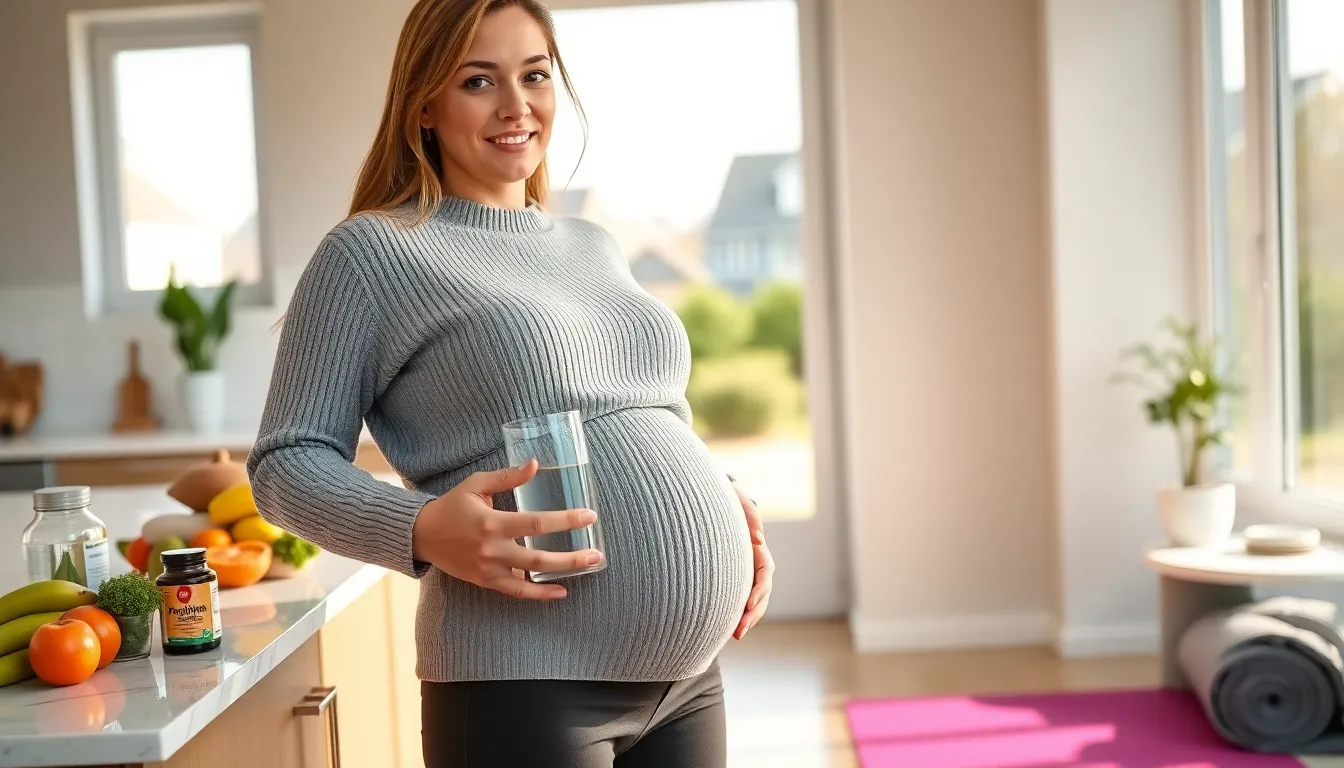
Learning how to pregnancy tips can feel overwhelming, but conception often comes down to timing, health, and a few key habits. About 85% of couples conceive within one year of trying, according to the American Society for Reproductive Medicine. The remaining 15% may need extra support or time.
This guide breaks down the most effective strategies for getting pregnant. From tracking ovulation to adjusting diet and knowing when to see a specialist, these pregnancy tips offer a clear path forward. Whether someone has just started trying or has been at it for months, understanding the basics can make a real difference.
Table of Contents
ToggleKey Takeaways
- Track your fertile window using ovulation predictor kits, basal body temperature, or cervical mucus changes to maximize your chances of conception.
- Have sex every one to two days during your fertile window—the five days before ovulation and ovulation day itself.
- Maintain a healthy weight, quit smoking, and limit alcohol and caffeine to boost fertility for both partners.
- Start taking a prenatal vitamin with folate at least three months before trying to conceive to build essential nutrient stores.
- Women under 35 should seek fertility help after 12 months of trying, while those 35 and older should consult a specialist after six months.
- Following these pregnancy tips can help most couples conceive within one year, and professional support is available for those who need it.
Understanding Your Fertile Window
The fertile window is the time each month when pregnancy is possible. It typically spans six days: the five days before ovulation and ovulation day itself. Sperm can survive in the reproductive tract for up to five days, while an egg remains viable for about 12 to 24 hours after release.
Tracking this window is one of the most practical pregnancy tips anyone can follow. Several methods help identify ovulation:
- Ovulation predictor kits (OPKs): These detect the luteinizing hormone (LH) surge that happens 24 to 36 hours before ovulation.
- Basal body temperature (BBT): Body temperature rises slightly after ovulation. Tracking it daily can reveal patterns over time.
- Cervical mucus changes: Fertile mucus looks clear and stretchy, similar to egg whites.
- Cycle tracking apps: Many apps use data input to predict fertile days, though accuracy varies.
For those with regular 28-day cycles, ovulation usually occurs around day 14. But cycles vary. Someone with a 32-day cycle might ovulate around day 18. Irregular cycles make prediction harder, so combining methods often works best.
Having sex every one to two days during the fertile window gives the best odds. Daily intercourse isn’t necessary, sperm quality can actually dip with very frequent ejaculation. Timing matters, but so does consistency throughout the fertile days.
Lifestyle Changes to Boost Fertility
Small lifestyle shifts can have a big impact on fertility for both partners. These pregnancy tips address habits that directly affect reproductive health.
Maintain a Healthy Weight
Both underweight and overweight conditions can disrupt ovulation. A body mass index (BMI) between 18.5 and 24.9 supports regular cycles. Excess body fat can increase estrogen levels and interfere with egg release. Too little body fat can stop ovulation entirely.
Quit Smoking and Limit Alcohol
Smoking damages eggs and sperm. It also speeds up ovarian aging. Women who smoke reach menopause one to four years earlier than non-smokers. Alcohol affects hormone levels and can reduce fertility in both sexes. Limiting intake, or avoiding it entirely, improves chances.
Manage Stress
Chronic stress may interfere with the hormones that trigger ovulation. While occasional stress probably won’t prevent pregnancy, ongoing high stress might. Exercise, meditation, and adequate sleep help regulate the body’s stress response.
Exercise in Moderation
Regular physical activity supports fertility, but extreme exercise can backfire. Intense training sometimes disrupts menstrual cycles. Moderate workouts, about 30 minutes most days, strike the right balance.
Reduce Caffeine
Research on caffeine and fertility shows mixed results. But, many experts recommend keeping intake below 200 milligrams daily (roughly one 12-ounce cup of coffee). High caffeine consumption has been linked to longer time-to-pregnancy in some studies.
Check Medications
Certain prescription and over-the-counter drugs can affect fertility. NSAIDs like ibuprofen may interfere with ovulation if used long-term. Anyone trying to conceive should review their medications with a healthcare provider.
Nutrition and Supplements for Conception
What someone eats affects fertility. A balanced diet provides the nutrients needed for healthy eggs, sperm, and hormone production. These pregnancy tips focus on foods and supplements that support conception.
Key Nutrients for Fertility
- Folate: This B vitamin prevents neural tube defects and supports early fetal development. Dark leafy greens, legumes, and fortified cereals are good sources. Most experts recommend 400 to 800 micrograms daily before conception.
- Iron: Low iron levels have been linked to ovulatory infertility. Red meat, spinach, and fortified foods provide iron. Pairing iron-rich foods with vitamin C improves absorption.
- Omega-3 fatty acids: Found in fatty fish, walnuts, and flaxseed, omega-3s support hormone balance and egg quality.
- Zinc: Essential for sperm production and testosterone levels in men. Oysters, beef, and pumpkin seeds are rich in zinc.
- Vitamin D: Deficiency may affect fertility outcomes. Sunlight exposure, fortified milk, and supplements can help maintain adequate levels.
Prenatal Vitamins
Starting a prenatal vitamin before conception fills nutritional gaps. Most contain folic acid, iron, calcium, and vitamin D. Taking one for at least three months before trying to conceive gives the body time to build up nutrient stores.
Foods to Limit
Processed foods high in trans fats can harm fertility. High-glycemic carbohydrates may affect insulin and hormone levels. Mercury-rich fish like shark and swordfish should be avoided, as mercury accumulates in the body and can harm fetal development.
A diet rich in whole grains, vegetables, lean proteins, and healthy fats supports reproductive health for both partners.
When to Seek Professional Help
Most couples don’t need fertility treatment, but some do. Knowing when to consult a specialist is an important pregnancy tip that can save time and frustration.
General Guidelines
- Under 35: Seek help after 12 months of regular, unprotected sex without conception.
- 35 to 40: Consult a specialist after six months of trying.
- Over 40: Consider seeing a reproductive endocrinologist right away. Egg quality and quantity decline more rapidly at this age.
Warning Signs to Address Sooner
Certain symptoms warrant earlier evaluation:
- Irregular or absent periods
- Very painful periods (possible endometriosis)
- History of pelvic infections or sexually transmitted infections
- Previous miscarriages (two or more)
- Known male factor issues like low sperm count
- Medical conditions such as polycystic ovary syndrome (PCOS) or thyroid disorders
What to Expect at a Fertility Evaluation
Initial testing usually includes blood work to check hormone levels, an ultrasound to examine the ovaries and uterus, and a semen analysis for the male partner. A hysterosalpingogram (HSG) may be performed to ensure the fallopian tubes are open.
From there, treatment options range from medications that stimulate ovulation to intrauterine insemination (IUI) or in vitro fertilization (IVF). The right approach depends on the underlying cause of infertility.
Seeking help isn’t giving up, it’s gathering information. Many fertility issues are treatable once identified.