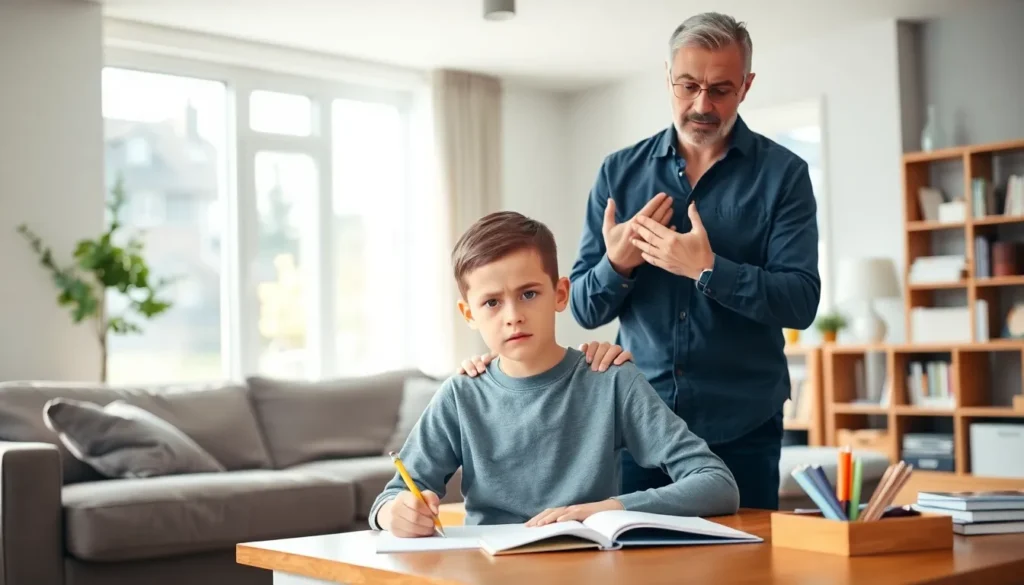
Helicopter parenting refers to a style of child-rearing where parents closely monitor and control their children’s activities, often stepping in to solve problems before the child has a chance to try. The term comes from the image of a helicopter hovering overhead, always present, always watching. This approach typically stems from love and concern, but it can have unintended consequences for a child’s development.
Many parents today struggle to find the right balance between protection and independence. Understanding what helicopter parenting looks like, why it happens, and how it affects children can help families make more informed decisions about their parenting approach.
Table of Contents
ToggleKey Takeaways
- Helicopter parenting is a child-rearing style where parents constantly monitor and solve problems for their children, often limiting independence.
- Common signs include constant supervision, intervening in conflicts, making decisions for children, and speaking on their behalf in social situations.
- This parenting style often stems from anxiety, pressure for academic success, and a desire to protect children from struggles.
- Children of helicopter parents may experience higher rates of anxiety, reduced problem-solving skills, and difficulty managing relationships independently.
- Parents can find balance by allowing age-appropriate independence, letting natural consequences teach lessons, and resisting the urge to intervene immediately.
- The best gift parents can give is building their child’s confidence to handle life’s challenges on their own.
Common Signs of Helicopter Parenting
Helicopter parenting shows up in everyday behaviors that might seem helpful on the surface. Recognizing these patterns is the first step toward understanding this parenting style.
Constant supervision is one of the clearest signs. Helicopter parents often hover during playdates, monitor assignments closely, and rarely let children have unsupervised time, even in safe environments.
Intervening in conflicts happens frequently with this parenting style. Instead of letting children work through disagreements with friends or siblings, these parents step in immediately to resolve the situation.
Making decisions for children extends beyond appropriate guidance. Helicopter parents might choose their child’s friends, activities, and even what they eat without allowing input from the child.
Other common signs include:
- Speaking for children in social situations
- Completing assignments or school projects to ensure good grades
- Contacting teachers or coaches frequently to advocate on the child’s behalf
- Feeling anxious when the child is out of sight
- Overreacting to minor setbacks or disappointments
Helicopter parenting often intensifies as children grow older. Some parents continue these behaviors through high school and even into college, calling professors or employers on their adult child’s behalf.
Why Parents Become Overprotective
Helicopter parenting doesn’t come from a desire to control children, it usually comes from fear and love. Several factors push parents toward this overprotective style.
Anxiety about safety plays a major role. News coverage of crime, accidents, and dangers can make the world seem more threatening than it actually is. Parents respond by keeping children close and limiting independence.
Pressure for academic success drives many helicopter parents. College admissions have become increasingly competitive, and parents worry that any setback could derail their child’s future. This leads them to micromanage schoolwork and extracurricular activities.
Smaller family sizes also contribute. Parents with one or two children often invest more emotional energy in each child. This concentration of attention can tip into overprotection.
Personal experiences shape parenting choices too. Adults who grew up with absent or uninvolved parents sometimes swing to the opposite extreme. Others who faced difficult childhoods want to shield their children from similar struggles.
Social comparison matters as well. When other parents hover closely, it creates pressure to do the same. No one wants to seem like they care less about their child’s wellbeing.
Helicopter parenting has increased over the past few decades. Research suggests this correlates with rising anxiety levels among parents and shifting cultural expectations about childhood supervision.
Effects on Children
Helicopter parenting affects children in ways that often surprise well-meaning parents. While the goal is protection, the outcomes can hinder development.
Emotional and Mental Health Impact
Children of helicopter parents show higher rates of anxiety and depression. When parents solve every problem, children don’t develop confidence in their own abilities. They may feel incapable of handling challenges independently.
Studies have found that college students with overinvolved parents report lower life satisfaction and higher levels of anxiety. These effects can persist into adulthood.
Reduced Problem-Solving Skills
Helicopter parenting limits opportunities for children to learn from mistakes. Failure teaches resilience and creative thinking, skills that children need throughout life. When parents prevent failure, they also prevent this learning.
Children may struggle to make decisions on their own. They’ve had little practice weighing options and accepting consequences.
Social Development Challenges
Children need to learn how to handle conflicts, make friends, and assert themselves. Helicopter parenting interferes with this process. Kids who’ve always had a parent intervene may lack the skills to manage peer relationships independently.
Entitlement and Dependence
Some children of helicopter parents develop a sense of entitlement. They expect others to solve their problems and may struggle when that doesn’t happen. This dependence can create difficulties in school, work, and relationships.
It’s worth noting that helicopter parenting isn’t all negative. Children often feel loved and secure. The key lies in balance, providing support without removing all challenges.
How to Find a Healthier Balance
Parents who recognize helicopter parenting tendencies can take steps toward a more balanced approach. Change doesn’t happen overnight, but small shifts make a difference.
Start with age-appropriate independence. Give children tasks they can handle on their own. A five-year-old can pick out their clothes. A ten-year-old can walk to a neighbor’s house. A teenager can manage their own schedule.
Allow natural consequences. If a child forgets their lunch, they’ll be hungry, and more likely to remember tomorrow. These small lessons build responsibility without causing real harm.
Resist the urge to intervene immediately. When children face problems with friends or schoolwork, wait before jumping in. Ask questions instead: “What do you think you could do?” Give them space to try their own solutions.
Manage your own anxiety. Helicopter parenting often reflects parental fear more than actual danger. Talk to a therapist or counselor if anxiety drives overprotective behavior.
Accept imperfection. Children don’t need perfect grades, perfect friendships, or perfect childhoods. They need room to grow, struggle, and learn.
Practical steps to try:
- Let children order their own food at restaurants
- Stop checking assignments every night
- Allow children to resolve minor conflicts without help
- Give children responsibilities around the house
- Practice saying “I trust you to figure this out”
Helicopter parenting comes from a good place. Parents want their children to succeed and stay safe. But the best gift parents can give is the confidence to handle life’s challenges independently.